Free shipping feels like a small win.
You add something to your cart, see those two magic words, and feel oddly satisfied. No delivery fee. No extra math. Just pay the price you were already expecting and move on.
It feels fair. It feels generous. It feels like the internet finally did us a favor.
But if free shipping were truly free, it wouldn’t be everywhere. And it wouldn’t be pushed so hard.
What “free shipping” actually means in real life
Let’s start with something simple.
A box doesn’t teleport from a warehouse to your doorstep. Someone picks it. Someone packs it. Someone moves it. Someone delivers it. Trucks burn fuel. Warehouses consume space. People work shifts, often under tight deadlines.
None of that disappears just because the checkout page says “free.”
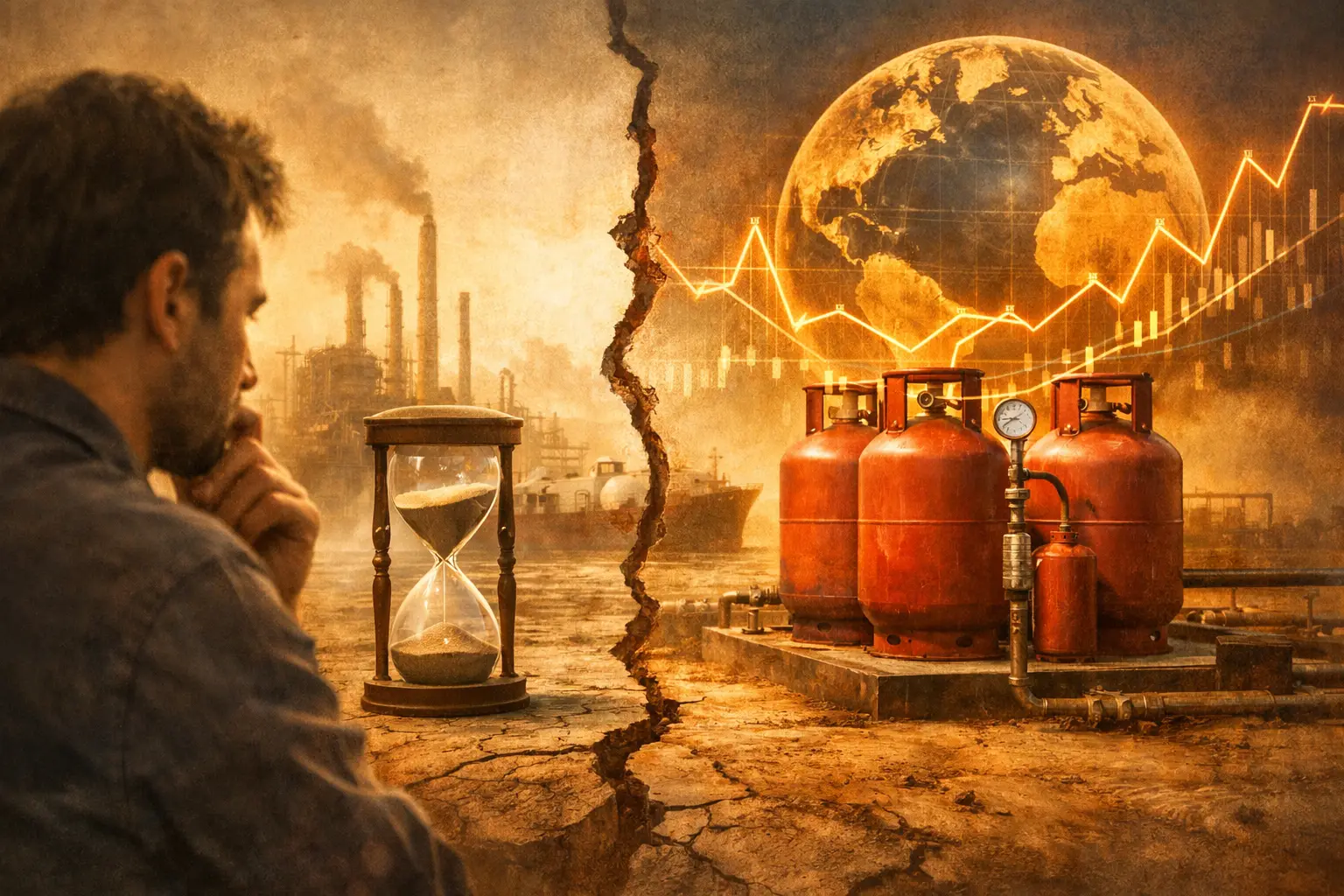
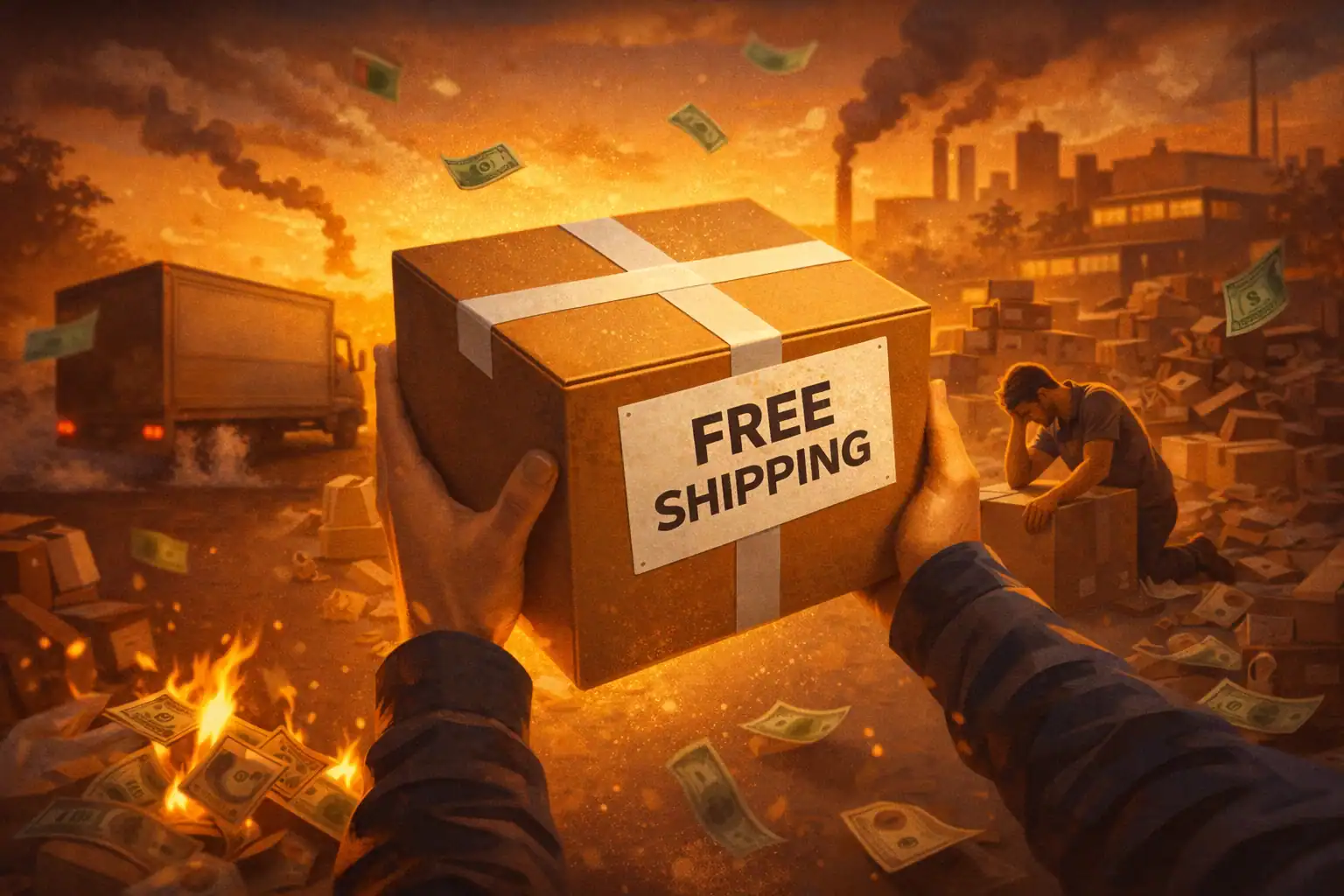
What really happens is quieter. The cost gets moved around. Sometimes it’s added to the product price. Sometimes it’s absorbed by the seller. Sometimes it’s passed down the line to workers or suppliers. Often, it’s split across all three.
Free shipping isn’t a gift. It’s a reallocation.
And once you see it that way, the whole thing feels a little different.
The small everyday changes you don’t notice
Free shipping changes how we shop before it changes anything else.
You’re more likely to buy something you don’t truly need. That extra item feels harmless when there’s no shipping penalty attached. A pair of socks. A phone case. A kitchen tool you might use once.
You’re also more likely to return things.
Why not order two sizes and send one back? It costs you nothing, right?
Except it doesn’t.
Returns mean more packaging, more transport, more labor. Many returned items aren’t resold at all. They’re discounted heavily or quietly thrown away. Free shipping trains us to treat physical goods like digital ones—easy to send, easy to undo.
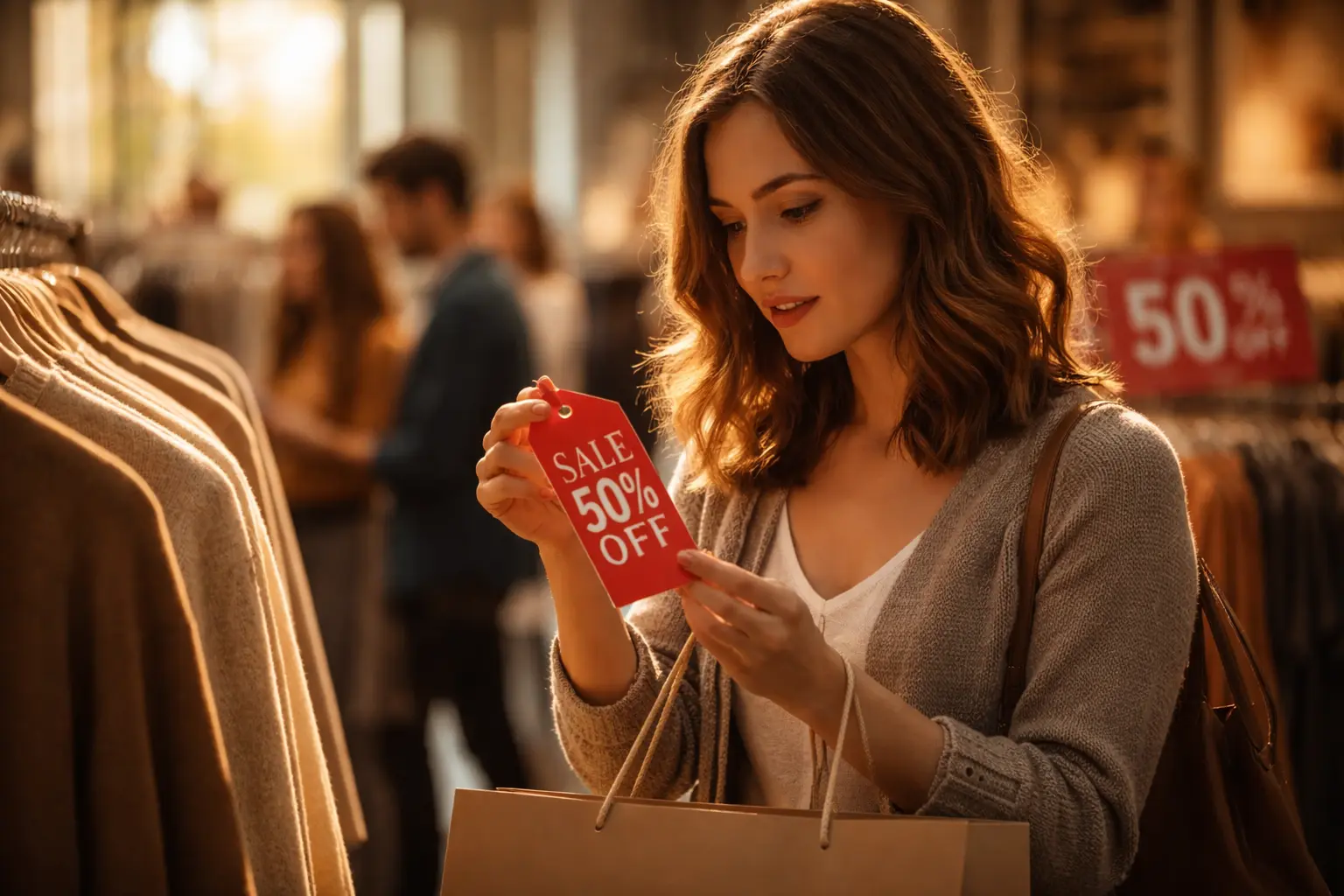
It also changes timing. When shipping is free, urgency drops. People wait for sales, bundles, thresholds. “Spend ₹499 more to get free shipping” becomes a strange game, and we often lose by buying more than we planned.
You didn’t save money. You just avoided a fee.
Real-world examples that make it clearer
Think about food delivery apps. Many advertise free delivery if you order above a certain amount. So you add a side dish you didn’t want just to cross the line. The delivery is “free,” but your bill isn’t smaller.
Or consider online fashion brands. Free shipping and free returns sound customer-friendly. But prices creep up over time. Quality slips. Customer support gets thinner. Something has to give.
Even big marketplaces feel this pressure. Sellers quietly raise prices to survive free shipping policies. The platform keeps traffic high. The seller absorbs the stress. The buyer feels clever for avoiding a fee.
It’s not evil. It’s economics with better branding.
The bigger, longer-term effects
Over time, free shipping changes expectations. Paying for delivery starts to feel unfair, even when it’s reasonable. A small, honest shipping fee now feels like a penalty instead of reality.
This puts pressure on smaller businesses. They can’t absorb shipping costs the way large companies can. So they either raise prices, cut margins, or opt out entirely. Many simply disappear.
It also affects labor in ways we don’t see on a checkout screen. Faster, cheaper shipping demands tighter schedules. Delivery workers rush. Warehouse workers push harder. Efficiency becomes the goal, not sustainability.
And then there’s the environmental cost. More shipments. More returns. More half-empty boxes moving across cities and countries. Free shipping encourages volume, not thoughtfulness.
Convenience scales quickly. Consequences scale quietly.
But isn’t free shipping sometimes genuinely helpful?
Yes. And this part matters.
Free shipping can lower barriers. It helps people in remote areas. It supports those who can’t easily visit physical stores. It makes essential items more accessible.
It also creates competition. Businesses are forced to improve logistics and reduce waste. Some genuinely innovate to make delivery more efficient, not just cheaper.
The problem isn’t free shipping itself. It’s the illusion that it comes without trade-offs.
When everything is framed as free, we stop asking who pays.
A thought worth sitting with
Free shipping works because it removes friction. And friction is uncomfortable. But friction also makes us pause. It makes us think twice.
When delivery costs are visible, we buy with intention. When they’re hidden, we buy with impulse.
Maybe the real cost of free shipping isn’t money, or labor, or fuel. Maybe it’s awareness.
The next time you see “free shipping,” notice how it makes you feel. Relieved? Excited? Justified?
That feeling is doing more work than you think.