There’s a strange comfort in forgetting things.
The awkward comment you made five years ago. The exact words of a fight you wish had gone differently. The phone number you no longer need. Forgetting smooths the edges of life. Now imagine that safety net quietly disappears. Every moment, every detail, every feeling — stored forever, clear as the day it happened.
Unlimited memory sounds powerful at first. Almost unfairly so. But power always comes with side effects, especially when it lives inside the human mind.
Let’s slow down and think this through, the way you would over coffee with a curious friend.
What Unlimited Memory Would Actually Mean
This wouldn’t just be about remembering facts or trivia. It wouldn’t be a mental Wikipedia.
It would mean replaying your life without blur. Every conversation, every facial expression, every tiny hesitation in someone’s voice. The mind wouldn’t “compress” experiences anymore. Nothing fades. Nothing softens.
Right now, memory is selective. It edits. It prioritizes. It forgets your grocery list but remembers your first heartbreak. With unlimited memory, that filter is gone. Everything stays.
You’d remember what you wore on a random Tuesday eight years ago. The smell of a bus seat. The exact tone your manager used when they said, “Let’s circle back.” That casual phrase would never lose its weight.
Helpful? Sometimes. Exhausting? Almost certainly.
The Immediate, Everyday Impact
Start small. Forget the big discoveries or genius-level intelligence for a moment.
Think about arguments.
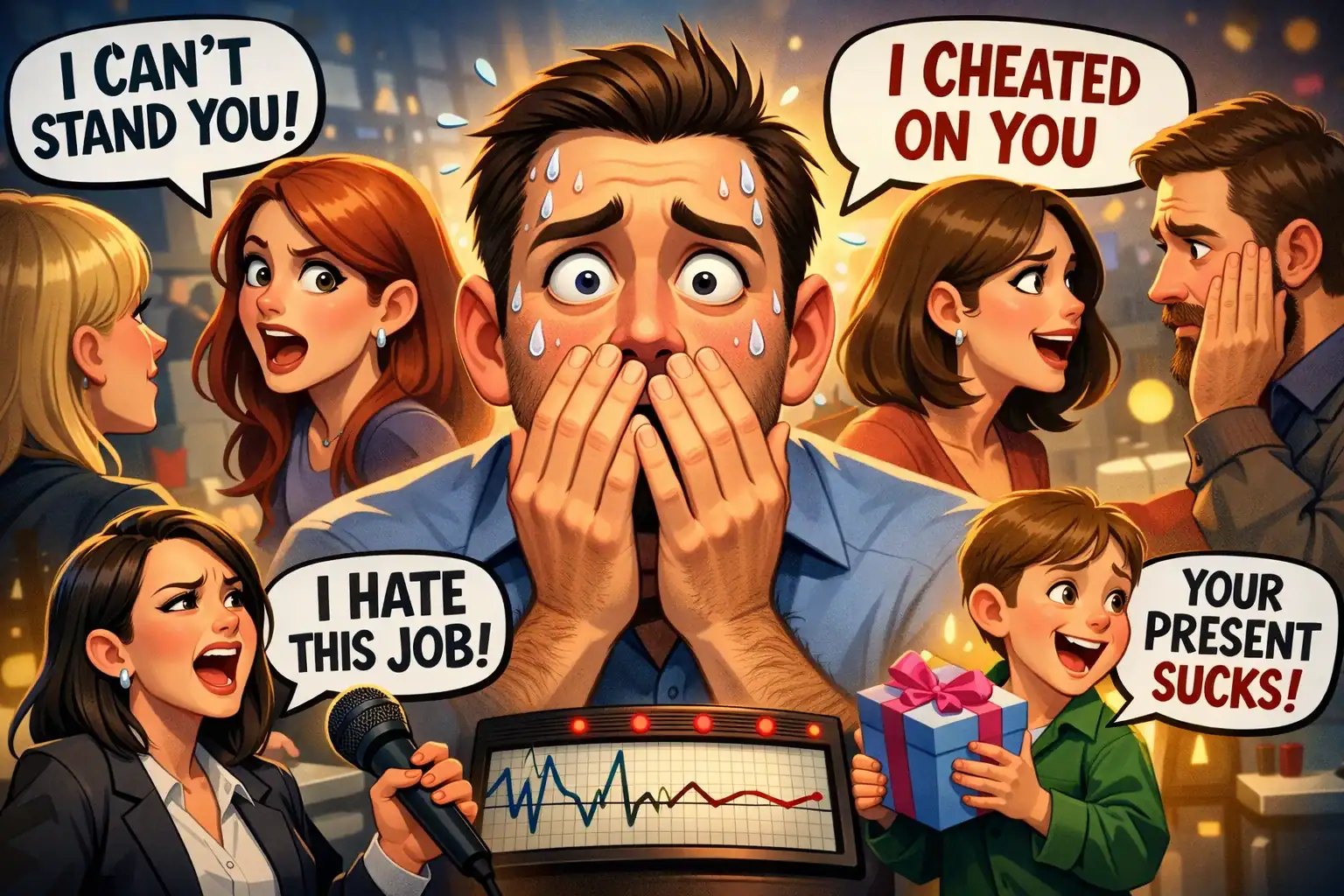
Today, fights cool down partly because details fade. You forget exact words. You misremember timing. You let things go — not always because you forgive, but because memory gets fuzzy.
With unlimited memory, every argument becomes a permanent recording. “You said this.” “No, I said that.” Except now, one person is always right. And the other always knows it.
Relationships would change fast.
Imagine remembering every single time someone interrupted you. Or every compliment you ever received — including the ones that didn’t sound sincere. Would praise feel better, or would it lose its shine once it never fades?
Even simple learning would feel different. Studying for exams becomes trivial, sure. But so does forgetting mistakes. You wouldn’t just remember failing a test once — you’d remember every doubt you had while answering each question.
Ever replay something embarrassing in your head at night? Now imagine that replay never loses detail. No blur. No mercy.
Sleep might become harder than we expect.
Work, Skills, and Daily Decisions
At work, unlimited memory looks like a superpower.
You’d never forget instructions. Meetings wouldn’t need follow-ups. Training would be faster. One explanation would be enough for life.
But here’s the quieter effect: hesitation disappears.
Right now, people double-check emails, re-read messages, ask clarifying questions. Forgetting creates caution. With perfect recall, confidence would skyrocket — not always in a good way.
Mistakes wouldn’t come from forgetting. They’d come from judgment. And when things go wrong, blame would be sharper. “You knew exactly what was said.” There would be no escape through confusion.
Even creativity might shift. Many ideas come from half-remembered things mixing together. Forgetting lets thoughts blur and recombine. Perfect memory keeps everything in sharp boxes. That might make some minds more precise, but others less imaginative.
Not everyone wants clarity all the time.
Social Life Would Feel… Heavier
Social bonds rely on selective memory more than we admit.
We forgive because we forget parts of the hurt. We move on because emotions dull. Unlimited memory would keep emotional volume permanently high.
Old friendships could feel crowded by the past. Every small slight would still be present, fresh and undeniable. How long before people start avoiding deep connections just to protect their mental space?
On the flip side, loyalty would deepen. Shared moments would never fade. Inside jokes would stay alive forever. Family stories wouldn’t change over generations — no exaggeration, no loss.
But would nostalgia still feel warm if it never softened with time?
Sometimes the beauty of a memory comes from its blur.
Bigger Social and Long-Term Effects
Zoom out.
Education systems would change overnight. Exams would become pointless. Teaching would shift from memorizing to reasoning and judgment. Knowing facts wouldn’t matter as much as knowing what to do with them.
Legal systems would feel the impact too. Eyewitness testimony would suddenly be exact — but also emotionally overwhelming. Trauma wouldn’t fade. Courts might gain accuracy, but people might carry unbearable mental weight.
Mental health would become a central issue, not a side topic.
Right now, the brain protects us by letting go. With unlimited memory, emotional regulation would need new tools. Therapy wouldn’t be about recalling events — it would be about learning how not to drown in them.
Society might value emotional strength over intelligence for the first time. Not everyone could handle remembering everything.
And that raises an uncomfortable question: would unlimited memory be a gift, or a requirement?
The Limits People Don’t Talk About
Unlimited memory doesn’t mean unlimited understanding.
You could remember every book you read and still miss the point. You could recall every warning sign and still make bad choices. Memory doesn’t equal wisdom.
There’s also the issue of bias. You’d remember your version of events perfectly — but so would everyone else. Conflicts wouldn’t disappear. They might even harden.
And boredom would change shape.
Rewatching a movie wouldn’t feel nostalgic anymore. It would feel identical. Jokes wouldn’t land the same way twice. Surprises would lose their edge once nothing fades.
Some things are enjoyable precisely because we forget parts of them.
A Final Thought That Lingers
We often complain about forgetting names, dates, details. But forgetting also gives us second chances — with people, with ourselves, with life.
Unlimited memory would make humans sharper, faster, more precise. It would also make us heavier.
Maybe forgetting isn’t a flaw in human design. Maybe it’s a quiet kindness built into us.
After all, if you remembered everything perfectly, would you still be free to change?