You’ve probably noticed it without really noticing it.
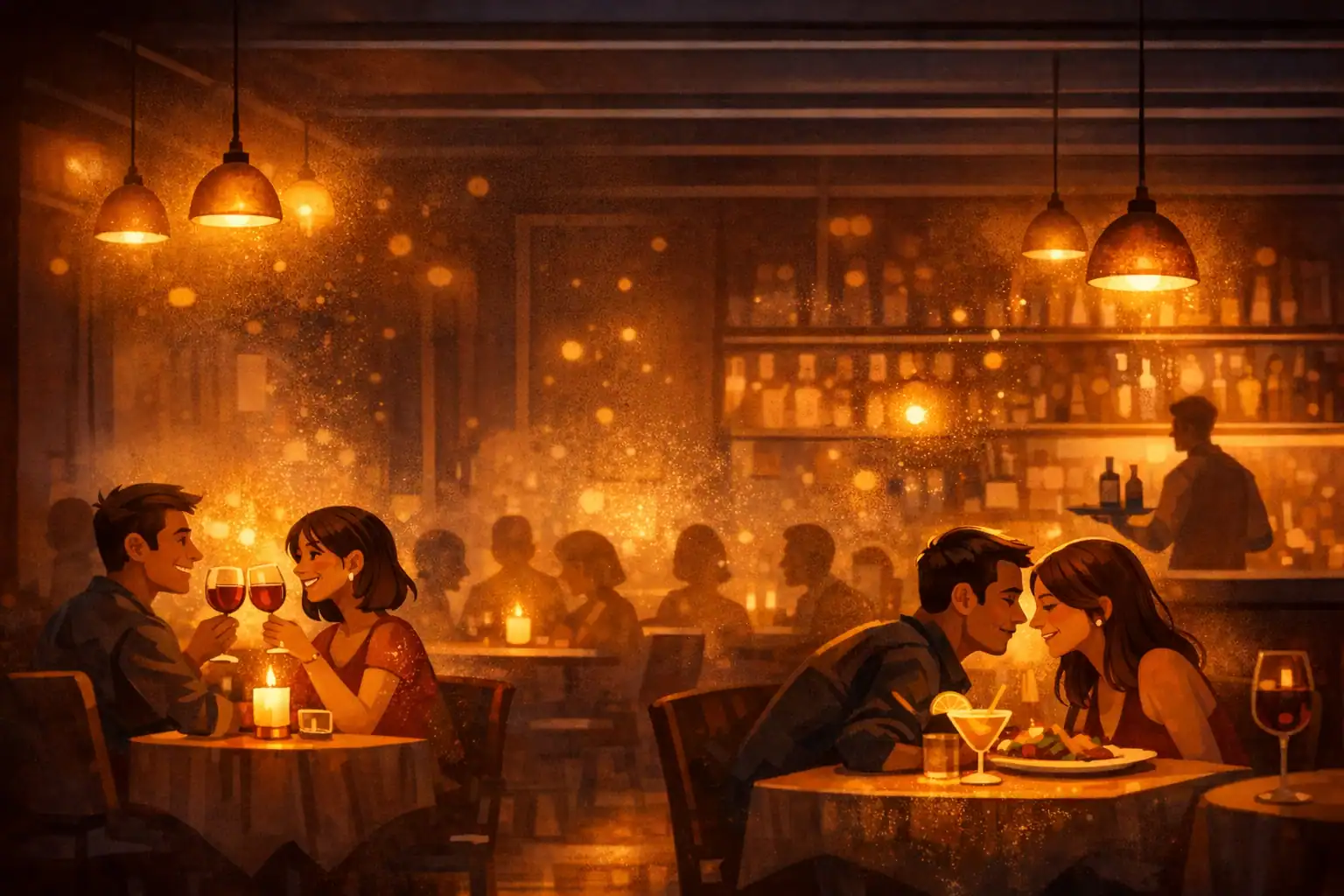
You walk into a restaurant at night, and the lights are lower than you expected. Not dark enough to bump into chairs. Just dim enough that the outside world feels far away.
It feels intentional. And it is.
Restaurants don’t dim the lights because they forgot to pay the electricity bill. They do it because light changes how we feel, how long we stay, how much we eat, and even how much we spend. Quietly. Without asking permission.
Once you start paying attention to it, you’ll see it everywhere.
What dim lighting actually does in real life
Think about the difference between a café at noon and the same place at 8 p.m. In daylight, everything feels sharper. Conversations are quicker. People check their phones more. You notice details you didn’t plan to notice.
At night, when the lights go down, the mood shifts. Voices lower. Time feels slower. The edges of the room soften.
That’s not an accident. Dim lighting reduces stimulation. It tells your brain, “You don’t need to stay alert. You can settle in.”
Compare it to being at home. Bright overhead lights are for cleaning, working, getting things done. Lamps and softer lighting are for relaxing. Restaurants borrow that same emotional language.
They’re not just serving food. They’re signaling how you should feel while eating it.
The immediate, everyday effects you don’t notice
The first thing dim lighting changes is how long you stay.
Bright places make people restless. You finish your meal, look around, and feel ready to leave. Dim places do the opposite. You linger. You talk longer. You consider dessert even if you weren’t hungry five minutes ago.
Then there’s how food tastes. This one surprises people.
When lighting is softer, you pay less attention to visual flaws and more attention to flavor and texture. A simple dish feels richer. A glass of wine feels smoother. The experience feels more forgiving.
Think about fast-food restaurants. They’re bright for a reason. High lighting encourages quick decisions and quick exits. Sit, eat, leave. That’s the business model.
Now compare that to a date-night restaurant. The lighting says, “Stay. Take your time. Order another drink.”
Different lights. Different behavior.
Even conversations change. Under bright lights, people tend to talk faster and interrupt more. Under dim lights, pauses feel natural. Silence doesn’t feel awkward. That alone can make a meal feel more “special” without anything else changing.
Why it subtly affects spending
This part is uncomfortable, but interesting.
Dim lighting reduces self-consciousness. When you’re less aware of how you look and how others look, you worry less about judgment. That makes indulgence easier.
You’re more likely to order dessert. More likely to get another drink. More likely to say yes when the server asks, “Would you like to try something else?”
Not because you’re tricked. But because restraint requires awareness. And awareness fades in softer light.
Think about grocery stores. They’re brightly lit so you evaluate prices, labels, and choices carefully. Restaurants don’t want you comparing. They want you enjoying.
When the environment feels cozy, spending feels justified. You’re not buying calories. You’re buying an experience.
And once you frame it that way, a higher bill doesn’t feel like a mistake. It feels like part of the night.
The bigger social reason dim lighting works
There’s a deeper layer here that goes beyond money and mood.
Dim lighting creates a sense of privacy—even in a crowded room. When you can’t clearly see every table and every face, you feel less observed. That feeling encourages openness.
People share more. They flirt more. They laugh louder. They argue less carefully.
This is why dim lighting is common in places designed for connection: restaurants, bars, lounges. It lowers social defenses without people realizing it.
In brighter spaces, we perform. In dimmer spaces, we reveal.
It’s the same reason conversations at night feel different from conversations during the day. Darkness gives permission to be less guarded.
Restaurants lean into that psychology. Not to manipulate in a sinister way, but to create an atmosphere people associate with comfort and closeness.
And once that association forms, customers come back—not just for the food, but for how they felt while eating it.
A few real-world comparisons that make it obvious
Think about a hospital cafeteria. Bright lights. Clean, harsh, efficient. You eat because you need to.
Now think about a small Italian restaurant with candles on the table. Same basic act—eating—but emotionally worlds apart.
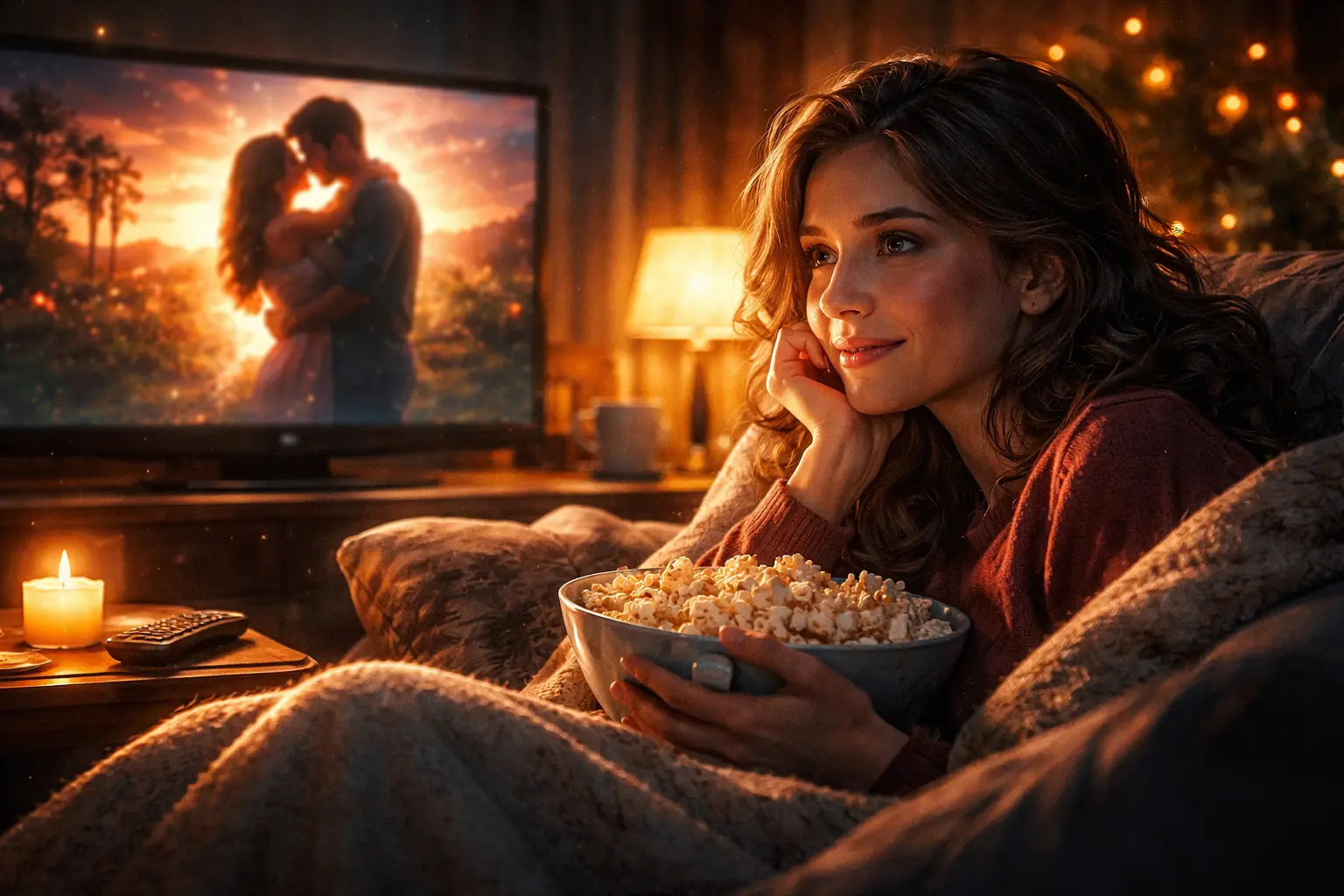
Or compare eating popcorn at home with the lights off versus under full lighting. Same snack. Different experience.
Even movie theaters follow this logic. You don’t just watch better in the dark. You feel more immersed. Less aware of yourself. More present.
Restaurants borrow that same immersion trick, just toned down enough that you can still read the menu.
The limits and counterpoints
Of course, dim lighting isn’t always good.
Some people find it uncomfortable. Older diners may struggle to read menus. Families with kids often prefer brighter spaces because they feel safer and more practical.
That’s why casual dining places and breakfast spots stay bright. The goal there isn’t romance or lingering. It’s clarity, speed, and comfort.
There’s also a line dim lighting shouldn’t cross. If people feel disoriented or annoyed, the effect backfires. Good restaurants balance ambiance with usability.
And not every culture responds the same way. In some places, brightness signals cleanliness and trust. Too much dimness can feel suspicious rather than cozy.
So lighting isn’t a universal trick. It’s a context-dependent tool.
A thought to sit with
The interesting thing about dim restaurant lighting isn’t that it changes our behavior. It’s how easily it does so.
Nothing is forced. No one tells you to relax, to stay longer, to order dessert. The environment does the talking.
And once you notice that, you start seeing the same pattern everywhere. In stores. In offices. In your own home.
Light doesn’t just help us see. It quietly tells us how to act.
Next time you sit down at a restaurant and feel yourself settling in without knowing why, look up. The answer is probably glowing softly above your head.